Yorkshire is a treasure trove of architectural marvels that span centuries of history. From imposing medieval castles and magnificent Gothic cathedrals to cutting-edge contemporary designs, our region offers a fascinating journey through time for architecture enthusiasts and curious visitors alike.
Medieval Majesty
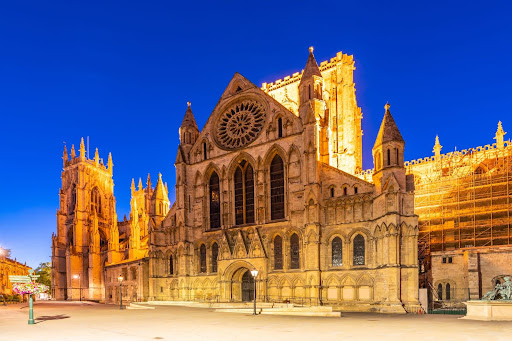
York Minster stands as one of the most magnificent Gothic cathedrals in Northern Europe. Construction began in 1220 and took over 250 years to complete, resulting in a breathtaking masterpiece featuring stunning stained glass windows, including the famous Great East Window – the largest expanse of medieval stained glass in the world.
Fountains Abbey, a UNESCO World Heritage Site near Ripon, showcases the grandeur of Cistercian architecture. Founded in 1132, these atmospheric ruins remain one of the largest and best-preserved monastic sites in Britain, set within beautiful landscaped gardens.
Bolton Castle in Wensleydale is a remarkably well-preserved 14th-century fortress that once held Mary, Queen of Scots, captive. Its imposing walls and towers offer visitors a genuine glimpse into medieval life.
Tudor and Stuart Splendour
Harewood House, designed by John Carr and completed in 1771, represents the pinnacle of Georgian architecture. This magnificent country house features interiors by Robert Adam and furniture by Thomas Chippendale, set within grounds landscaped by Capability Brown.
Castle Howard, though technically Baroque rather than Tudor, deserves mention as one of Britain’s finest stately homes. This 18th-century masterpiece served as the backdrop for “Brideshead Revisited” and continues to captivate visitors with its dramatic dome and extensive gardens.
Victorian Innovation
The Victorian era brought industrial prosperity to Yorkshire, reflected in impressive civic architecture:
Leeds Town Hall (1858) is a magnificent example of Victorian civic pride, featuring a soaring clock tower and ornate interior spaces that host concerts and events throughout the year.
Saltaire, a UNESCO World Heritage Site, represents enlightened Victorian town planning. Built by industrialist Sir Titus Salt in the 1850s, this model village includes the spectacular Salts Mill, now an art gallery and shopping complex.
The Piece Hall in Halifax, originally built in 1779 for trading cloth, has been beautifully restored and now serves as a cultural hub with independent shops, cafes, and a regular events programme.
Modern Marvels
Yorkshire continues to push architectural boundaries with contemporary designs:
The Hepworth Wakefield, designed by David Chipperfield and opened in 2011, is a stunning modern gallery built from concrete blocks that reference the area’s industrial heritage while creating light-filled spaces for art.
Leeds Dock (formerly Clarence Dock) showcases modern waterside development, including the Royal Armouries Museum with its distinctive glass and steel design, transforming former industrial areas into vibrant cultural quarters.
The Piece Hall Gardens renovation seamlessly blends the historic Grade I listed building with contemporary landscaping and public spaces, demonstrating how modern design can enhance historic architecture.
Hidden Architectural Gems
Beyond the famous landmarks, Yorkshire offers countless architectural surprises. The Crescent in Buxton-by-Bowland showcases elegant Georgian proportions, while Stockeld Park near Wetherby features Palladian architecture in a more intimate setting. Halifax Borough Market combines Victorian ironwork with contemporary restoration, and Clifford’s Tower in York offers Norman architecture with panoramic city views.
Planning Your Architectural Tour
To make the most of Yorkshire’s architectural heritage, consider these tips. Many historic properties offer combined tickets or heritage passes that provide excellent value, and guided tours often reveal fascinating details and stories you might otherwise miss. Visit during Heritage Open Days in September when many buildings open their doors for free. Leeds and York are particularly compact, making them perfect for architectural walking tours, and don’t forget to look up – many buildings hide their finest details above street level.
Where to Stay
Complete your architectural adventure by staying in historically significant buildings. Yorkshire offers numerous hotels in converted mills, former coaching inns, and even castle accommodations that let you sleep surrounded by history.
Conclusion
From the soaring spires of York Minster to the sleek lines of The Hepworth Wakefield, Yorkshire’s architectural landscape tells the story of Britain itself. Each building reflects the ambitions, innovations, and artistic sensibilities of its era, creating a rich tapestry that rewards exploration.
Whether you’re an architecture student, history buff, or simply someone who appreciates beautiful buildings, Yorkshire offers an unparalleled journey through centuries of design excellence. Come and discover why our region continues to inspire architects and visitors from around the world.
Written by Jennifer Race Leeds